
"Kilimanjaro PB"
300 article(s) found

Kilimanjaro Coffee roasting degree Fine Coffee Flavor taste description Manor introduction
Tanzanian coffee is mostly washed. After picking, coffee farmers will send the coffee fruit to the nearest processing plant for processing. The treatment step of the water washing method is to screen and remove the impurities in the coffee fruit, then remove the coffee pulp and exocarp, send it into the fermentation tank, and remove the pectin layer from the inner pericarp by fermentation. Clean

Description of grinding degree and flavor of Tanzanian coffee introduction of fine coffee varieties
Coffee beans in Tanzania are of extraordinary quality. They are produced in the Mohi district near Mount Kilimanjaro. The mountains with a height of 3,000 to 6,000 feet are the most suitable areas for growing coffee. The fertile volcanic ash gives the coffee here a strong texture and soft acidity. It exudes delicate aromas and contains aromas of wine and fruit.

Tanzania Kilimanjaro Coffee Flavor description method introduction to the taste of washing and sun drying
Tanzania's main coffee producing area, located at the foot of Mount Kilimanjaro, is rich in volcanic soil. Some coffee trees planted here are more than 100 years old. Coffee was first introduced by Christians from Kenya to grow coffee. Coffee trees must be carefully taken care of, weeded and fertilized. And old branches must be cut off so that new branches can grow to maintain the quality of coffee beans.

Introduction to the characteristics of the moderate mellow thickness of Tanzania Kilimanjaro coffee flavor manor
Tanzania is an East African country south of the equator, bordered by Uganda and Kenya to the north and the Republic of the Congo, Rwanda and Burundi to the west. It is hot and humid all the year round, with an average temperature of 21-25 ℃ in most areas. Precipitation is divided into long and short rainy seasons, and the annual precipitation is abundant. The economy is based on agriculture, coffee is one of the main cash crops in Tanzania, in Tanzania, Arabica coffee

Description of coffee flavor in Tanzania introduction to the treatment of taste grinding degree of high-quality coffee beans
Tanzanian coffee is mostly washed. After picking, coffee farmers will send the coffee fruit to the nearest processing plant for processing. The treatment step of the water washing method is to screen and remove the impurities in the coffee fruit, then remove the coffee pulp and exocarp, send it into the fermentation tank, and remove the pectin layer from the inner pericarp by fermentation. Clean
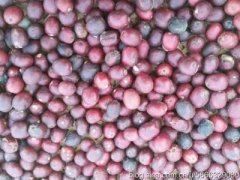
Description of Flavor of Fine Coffee beans in Tanzania A brief introduction to the treatment of taste grinding degree in the producing area
Moderate roasting will give off sweetness and light acidity, deep roasting will produce soft bitterness, suitable for blending coffee types: medium concentration coffee description: refreshing acidity and medium mellow complement blackcurrant and mandarin orange flavors processing method: washing method with flavors: blackcurrant, orange and lemon similar coffee: Kenya coffee from Tanzania

Kilimanjaro Coffee Flavor description Grinding degree treatment characteristics introduction to the taste of varieties in producing areas
Tanzania is an East African country south of the equator, bordered by Uganda and Kenya to the north and the Republic of the Congo, Rwanda and Burundi to the west. It is hot and humid all the year round, with an average temperature of 21-25 ℃ in most areas. Precipitation is divided into long and short rainy seasons, and the annual precipitation is abundant. The economy is based on agriculture, coffee is one of the main cash crops in Tanzania, in Tanzania, Arabica coffee

Description of the Flavor of Kilimanjaro Coffee in Tanzania; introduction to the taste of varieties in producing areas
The types of rainfall can be divided into bimodal distribution and unimodal distribution. The areas with double bee rainfall include the provinces around the Lake Victoria basin, the northeast highlands, the coastal and inland northeastern. The bimodal rainfall area is characterized by two rainy seasons. The short rainy season occurs from September to December. The total rainfall can reach 200-500 mm. The long rainy season occurs from March to May.

Introduction of Tanzania boutique coffee beans Kilimanjaro Coffee Flavor taste Manor
Antigua Island (Antigua) is a famous producer of coffee. Rich volcanic soil, low humidity, strong sunlight and cool night winds are the characteristics of Antigua. Three spectacular active volcanoes ── Agua, Acatenango and Fuego form a beautiful valley. Fuego active volcano also adds misty dust from time to time. Every 3

Description of coffee flavor in Kilimanjaro, Tanzania introduction to the treatment of grinding degree and baking degree
Tanzania is an East African country south of the equator, bordered by Uganda and Kenya to the north and the Republic of the Congo, Rwanda and Burundi to the west. It is hot and humid all the year round, with an average temperature of 21-25 ℃ in most areas. Precipitation is divided into long and short rainy seasons, and the annual precipitation is abundant. The economy is based on agriculture, coffee is one of the main cash crops in Tanzania, in Tanzania, Arabica coffee

A detailed introduction to the method of variety treatment in coffee producing areas of Tanzania, Africa
African Tanzanian coffee Tanzania coffee beans are of extraordinary quality and are produced in the Mohi district near Mount Kilimanjaro. The mountain area with a height of 3,000 to 6,000 feet is the most suitable area for growing coffee. Fertile volcanic ash gives the coffee here a strong texture and soft acidity. It exudes delicate aromas and contains aromas of wine and fruit.

Introduction to Kilimanjaro Coffee from Tanzania Coffee Manor
Tanzania is also often compared with its nearest neighbor Kenya. It is said that the earliest Arabica coffee in Tanzania was introduced by Christians from Kenya and is similar to Kenya in flavor characteristics. With grapefruit aromas and soft and bright acidity. However, because the economic conditions of Tanzania are worse than those of Kenya, the production conditions are poor. Tanzania is concerned about quality.

Peaceful and full-bodied coffee manor in Arusha, Tanzania, the planting market price of fine coffee bean varieties is simple.
Raw beans: raw beans are unbaked beans, which contain 11.5% fat; 11.5% moisture; 28.6% crude fiber; 4.0% minerals; 6.2% tannic acid; 1.3% caffeine; 17.0% essence; 8.1% sugar; 11.8% protein. Baked beans: baked beans containing 13.0% fat; 1.5% caffeine; 29.5% crude fiber; 2.6% moisture; 5.0% minerals

Tanzania coffee bean characteristic flavor taste variety origin story Kilimanjaro coffee bean flavor
Description of flavor and taste of coffee beans in Tanzania the types of rainfall can be divided into bimodal distribution and unimodal distribution. The areas with double-bee rainfall distribution include the provinces around the Lake Victoria basin, the northeast highlands, the coastal and inland northeast. The characteristics of the bimodal rainfall area are
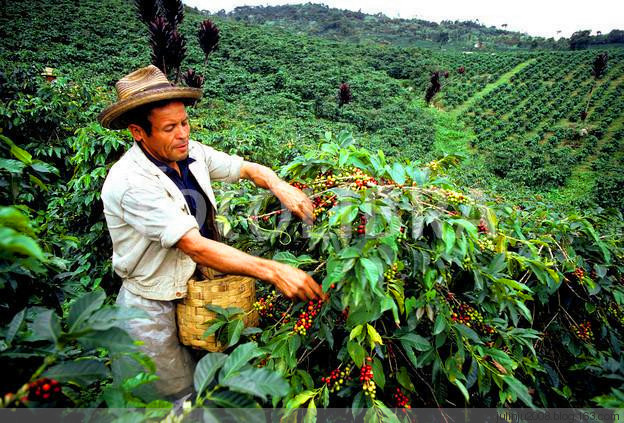
Tanzania coffee cooked beans Kilimanjaro pearl round beans how to turn coffee beans into coffee beans
Choose fresh coffee beans. When buying, pay attention to whether the color of the beans and the size of the particles are the same. Good coffee beans are shiny and have a strong aroma without being mixed with peculiar smell. No matter what kind of coffee beans, freshness is an important factor affecting the quality. When shopping, grab one or two coffee beans and chew them in your mouth with crisp sound (indicating that the coffee is not damp) and teeth and cheeks.

How about Tanzanian coffee? Is the coffee bitter in Tanzania? Tanzanian coffee flavor?
For more information on coffee beans, please follow Coffee Workshop (Wechat official account cafe_style) East Africa is the producer of many fine coffees, including Kenya, Ethiopia, Rwanda and so on. Tanzania is another East African country that produces good coffee. Coffee is the largest crop in Tanzania, with about 450000 people engaged in coffee-related farmers.

An introduction to the Flavor description of Kilimanjaro Coffee beans
Tanzania is also often compared with its nearest neighbor Kenya. It is said that the earliest Arabica coffee in Tanzania was introduced by Christians from Kenya and is similar to Kenya in flavor characteristics. With grapefruit aromas and soft and bright acidity. However, because the economic conditions of Tanzania are worse than those of Kenya, the production conditions are poor. Tanzania is concerned about quality.

Description of Flavor of High-quality Coffee beans in Tanzania introduction to manors in producing areas
The coffee beans are of extraordinary quality and are produced in the Mohi district near Mount Kilimanjaro. The mountain area with a height of 3,000 to 6,000 feet is the most suitable area for growing coffee. Fertile volcanic ash gives the coffee here a strong texture and soft acidity. It exudes delicate aromas and contains aromas of wine and fruit, leaving no aftertaste.

A bit like soda sour taste of Tanzanian coffee taste introduction to the characteristics of the manor area
Mount Mount Kilimanjaro, located in northeastern Tanzania, is the highest mountain in Africa at 5895 meters above sea level. The ultra-high altitude makes the top of the mountain snow all the year round, while Tanzania's main coffee producing area is located at the foot of Mount Kilimanjaro. The area is rich in volcanic soil, which brings an adequate supply of nutrients for the growth of coffee trees. Coffee trees are usually planted above 1150 meters.

Introduction to the characteristics of Kilimanjaro Coffee Flavor Manor in Tanzania
In December 1992, the Zanzibar government joined the Organization of the Islamic Conference (OIC) without authorization, which was strongly opposed by the coalition government and was forced to withdraw in 1993. In October 1995, the first multi-party general election was held in Tanzania. Mkapa was elected president of the United Republic, and Salmin was re-elected president of Zanzibar by a narrow margin. Since 1996, the Sang opposition party has stepped up its action against the coalition.